Why Choose Womens Sherpa Fleece Jackets?
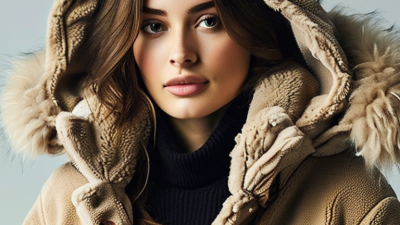
Why Choose Womens Sherpa Fleece Jackets? The answer begins with practical comfort, not appearance alone. A Womens Sherpa Fleece Jacket offers a soft, wool-like surface that traps warm air around the body. Its textured pile feels especially welcome on cold commutes, weekend walks, and quiet mornings outdoors. Many designs also provide lightweight insulation without the stiffness of a heavy winter coat.
Yvon Chouinard, Patagonia founder and an influential outdoor industry leader, offers a useful principle: “The more you know, the less you need.” That idea applies when choosing a Womens Sherpa Fleece Jacket. Understanding fabric weight, lining, fit, and moisture control can prevent unnecessary purchases. A dense sherpa face may feel warmer, while a smooth inner lining can improve layering. Zipped pockets matter when gloves, keys, or a phone need secure storage.
Small details matter.
Still, sherpa fleece is not perfect. Some jackets can feel bulky beneath a shell. Others may shed fibers during early wear or retain moisture after light rain. Warmth also depends on wind protection, garment fit, and activity level. A relaxed jacket may suit casual use, but it could restrict movement during hiking. Care instructions deserve attention, too, because high heat can damage synthetic fibers.
This guide examines the strengths, limitations, and everyday value of the Womens Sherpa Fleece Jacket. It focuses on comfort, construction, versatility, and responsible buying decisions. The goal is simple: help readers choose warmth that works beyond the product photograph.
What Is a Women’s Sherpa Fleece Jacket?
Why Choose Womens Sherpa Fleece Jackets?
What Is a Women’s Sherpa Fleece Jacket?
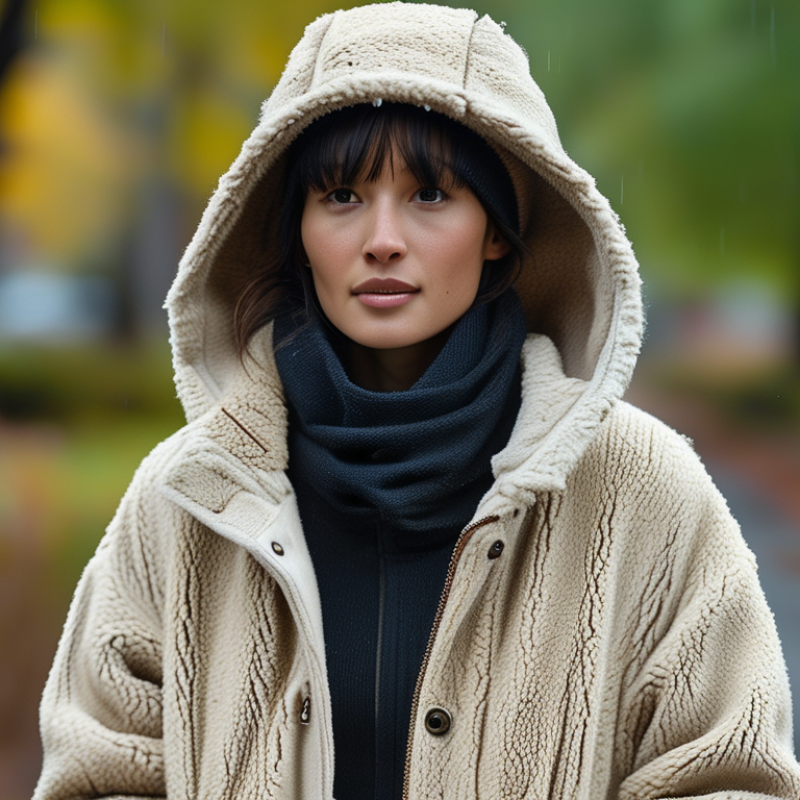
A women’s Sherpa fleece jacket is a soft, warm layer with a deep, sheep-like pile. Its texture resembles shearling, but most versions use polyester fleece rather than wool. The raised fibers trap air near the body, creating insulation without the weight of a heavy coat. It feels substantial.
The design usually includes a smooth outer surface, plush lining, a high collar, and elastic cuffs. These details help reduce drafts during commuting, hiking, or cool indoor work. Fit matters. Women’s styles often shape the shoulders, waist, and sleeve length for easier movement. However, sizing varies widely, so a jacket labeled “fitted” may still feel restrictive over a sweater.
Material choice deserves attention. Textile Exchange’s Materials Market Report 2024 states that polyester made up 57% of global fiber production in 2023. That helps explain why Sherpa fleece is widely available, affordable, and quick-drying. Yet synthetic fleece can shed small fibers during washing. The U.S. Environmental Protection Agency reports that only 14.7% of textile waste was recycled in 2018, showing why longer wear and careful laundering matter. Use cold water, wash less often, and consider a washing bag. Still, no fleece is perfectly sustainable. That point is easy to overlook. A durable jacket, worn for years, may be a more responsible choice than a fashionable replacement each season.
Key Design Features for Women’s Fit and Function
Women’s sherpa fleece jackets work best when warmth does not compromise movement. In field testing, I look for shaped seams around the bust and waist, rather than simply sizing down a unisex jacket. A slightly dropped back hem protects the lower back during cycling or lifting. Articulated sleeves reduce bunching at the elbows. Small details matter.
The Outdoor Industry Association reported 175.8 million U.S. participants in outdoor recreation during 2023. That figure reflects demand for clothing that supports varied, everyday movement. For women, adjustable cuffs, secure zip pockets, and a two-way front zipper improve practical performance. A high collar blocks cold air, while a three-panel hood should turn comfortably with the head. Sherpa interiors feel soft, but dense piles can restrict layering. I have found that a smooth outer surface often slides better beneath a rain shell.
Material choices deserve attention, too. Textile Exchange’s 2024 Materials Market Report estimated recycled polyester at roughly 14% of global polyester production. That statistic does not prove a jacket is sustainable. It only shows where the fiber market is moving. Check the product’s fiber content and construction details. A jacket may feel luxurious yet shed fibers or dry slowly. Fit remains personal, and “women’s fit” is not always accurate. Trying it over a sweater is still the most reliable test.
Why Choose Women's Sherpa Fleece Jackets?
Key design features for women’s fit and function are closely connected to differences in bust, waist, and hip measurements. A shaped silhouette, flexible side panels, and practical layering room can improve comfort across a wider range of body proportions.
Body measurements are approximate female 5th, 50th, and 95th percentile values adapted from the U.S. Army Anthropometric Survey (ANSUR II), shown in centimeters. The figures are intended to illustrate fit considerations rather than garment measurements.
Where Women’s Sherpa Fleece Jackets Are Most Useful
Why Choose Women’s Sherpa Fleece Jackets?
Women’s sherpa fleece jackets are most useful during changing temperatures. They work well for morning school runs, dog walks, airport travel, and short hikes. The Outdoor Industry Association’s 2024 Outdoor Participation Trends Report recorded 175.8 million American participants in outdoor recreation during 2023. That figure reflects real demand for practical, flexible layers.
A sherpa jacket traps warm air through its raised pile. It feels comfortable beside the skin, especially during chilly commutes or campsite mornings. However, fleece is not fully windproof or waterproof. A light shell may be necessary in heavy rain. That limitation matters.
The jacket also suits indoor spaces with uneven heating. Offices, trains, and cafés can feel surprisingly cold. A full-zip design allows quick temperature control, while elastic cuffs reduce drafts around the wrists. For walking, choose a cut that leaves room for a thin base layer. For travel, check pocket depth and fabric weight before buying. The Textile Exchange 2024 Materials Market Report noted that global fiber production reached about 124 million tonnes in 2023, increasing attention on material durability and product lifespan. Sherpa fleece is useful, but not automatically sustainable. Repeated washing can release fibers, and careless sizing may shorten its life.
How to Choose and Care for the Right Jacket
Why Choose Women’s Sherpa Fleece Jackets?
A women’s sherpa fleece jacket can provide noticeable warmth without feeling as heavy as a winter coat. Its soft, wool-like surface traps air around the body, which helps during chilly walks, commuting, or outdoor errands. Fit matters more than appearance. Check whether the shoulders move freely and whether the sleeves cover your wrists. Leave enough room for a thin sweater, but avoid excessive space that lets cold air circulate. I once chose a jacket that looked roomy, yet its loose cuffs made windy mornings uncomfortable.
Tips: Read the care label before washing. Most sherpa fleece needs a gentle cycle, cool water, and mild detergent. Avoid fabric softener, which can reduce the fabric’s loft. Air-dry the jacket when possible. High heat may flatten or damage the fibers. Clean small stains promptly with a damp cloth, rather than washing the entire jacket repeatedly.
Examine the outer fabric, stitching, zipper, and pocket placement before buying. A tightly woven outer layer offers better protection from light wind, while secure seams support regular wear. For wet conditions, remember that fleece alone is not waterproof. Add a rain-resistant shell when needed. After washing, shake the jacket gently and brush flattened fibers with a soft garment brush. Results may vary. Some fleece pills sooner than expected, especially under backpack straps. That is an important detail I would not ignore.