As sustainability gains momentum, the demand for Recycled Polyester Jackets is surging. In 2021, the global recycled polyester market was valued at approximately $3 billion, projected to reach over $13 billion by 2027. Industry reports highlight a 10% annual growth rate, reflecting growing environmental consciousness among consumers.
Recycled Polyester Jackets are at the forefront of this trend. These jackets reduce plastic waste significantly, converting millions of PET bottles into fashionable outerwear. Early adopters have capitalized on this trend, with brands reporting positive feedback on their eco-friendly offerings.
However, challenges remain in quality and performance compared to traditional fabrics. Some consumers express concerns about durability and comfort. Many brands are working on enhancing these elements while maintaining sustainability goals. This balance will be critical as the market evolves. The future of Recycled Polyester Jackets promises innovation but also requires reflection on how to truly serve eco-conscious buyers.
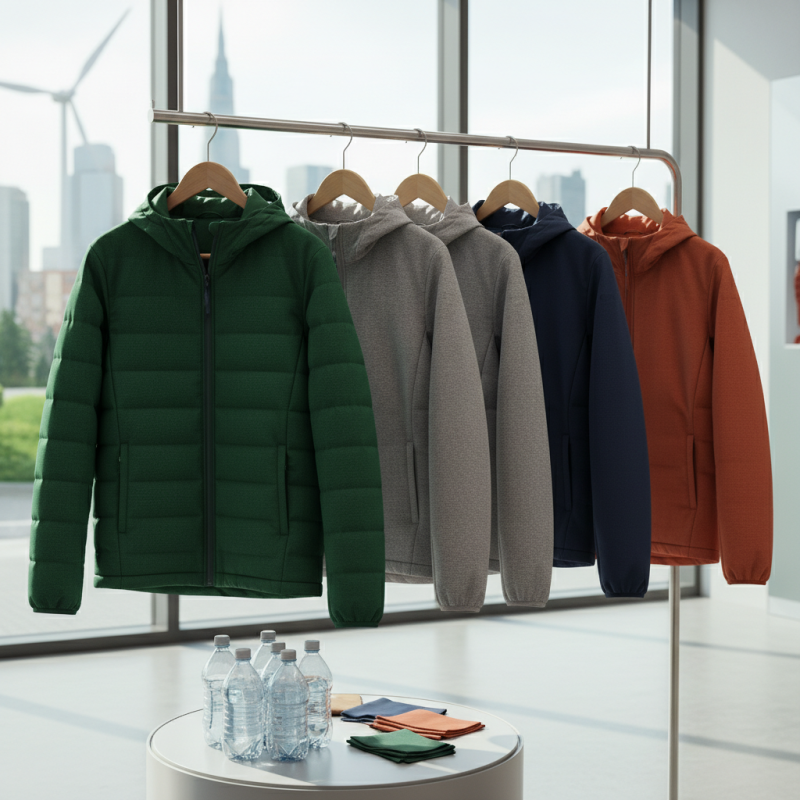
As the demand for sustainable fashion grows, recycled polyester jackets are gaining traction for 2026. The global recycled polyester market is estimated to reach USD 80 billion by 2026, driven by environmental concerns and consumer preferences. Reports indicate that approximately 60% of the polyester recycled is sourced from PET bottles, showcasing a significant shift toward circular fashion practices.
Emerging trends in production highlight innovations in manufacturing techniques. Processes utilizing lower energy and water consumption are becoming standard. More brands are adopting closed-loop systems, promoting resource efficiency. Still, challenges remain regarding quality and consistency in recycled materials. Some products may not meet the performance standards of conventional options, which can deter potential buyers.
Moreover, the rise of eco-conscious consumers is reshaping marketing strategies. Brands must balance transparency and quality to build trust. The importance of life cycle assessments is growing, as companies strive to measure the environmental impact of their production. Realistically, setting measurable sustainability goals can be complex. Brands must reflect on their current practices and strive for continuous improvement, ensuring their jackets not only appeal to consumers but also contribute positively to the planet.
| Jacket Type | Weight (g) | Recycled Content (%) | Price Range (USD) | Sustainability Certification |
|---|---|---|---|---|
| Lightweight Jacket | 300 | 85% | 50 - 70 | GOTS |
| Insulated Jacket | 600 | 90% | 100 - 150 | OEKO-TEX |
| Waterproof Jacket | 500 | 80% | 70 - 120 | Bluesign |
| Hiking Jacket | 400 | 70% | 60 - 90 | FSC |
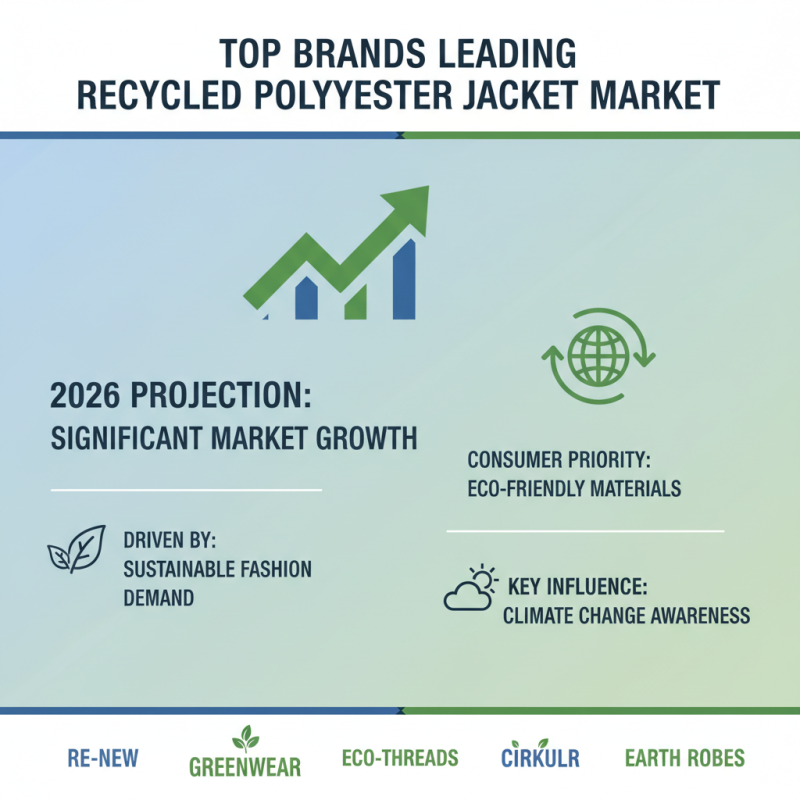
In 2026, the recycled polyester jacket market is projected to reach significant growth. Industry reports indicate that demand for sustainable fashion is on the rise. Consumers increasingly prioritize eco-friendly materials in their apparel choices. This trend is driven by heightened awareness of climate change and environmental impact.
Several top brands are at the forefront of this market. They focus on innovation and sustainability. According to a leading study, recycled polyester can reduce carbon emissions by up to 60% compared to virgin polyester. These brands are also investing in advanced technologies to improve the quality and performance of recycled materials. This dual focus on sustainability and performance sets them apart in the competitive landscape.
Tips: When selecting a recycled polyester jacket, check for certifications that ensure sustainability. Greater transparency in the sourcing process is crucial for making informed choices. Be mindful of the trade-offs; while recycled materials are beneficial, they may not always have the same durability as traditional options.
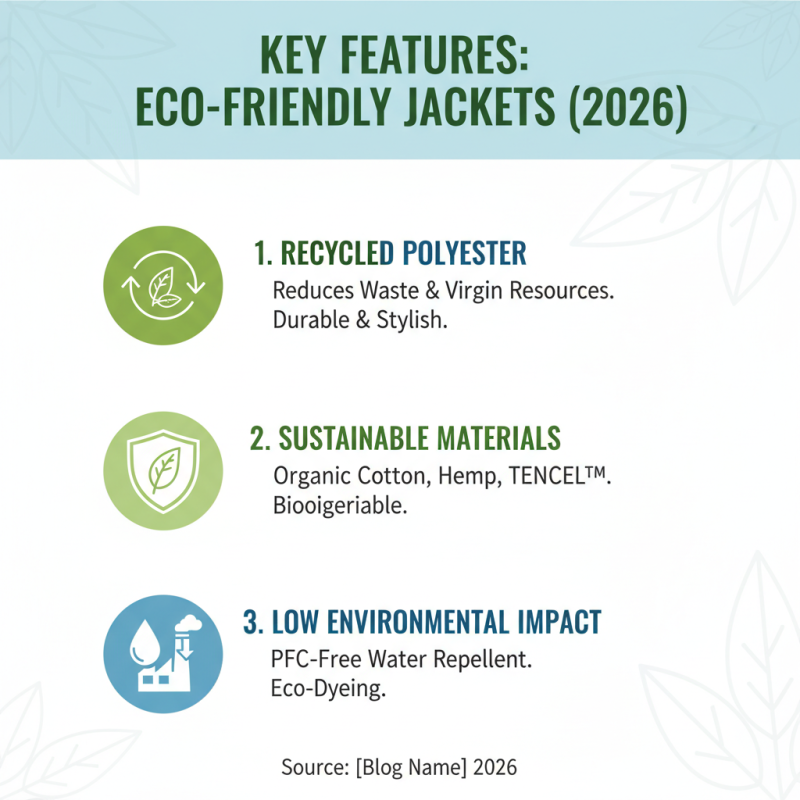
When searching for eco-friendly jackets in 2026, certain features stand out. Recycled polyester should top your list. This material reduces waste and lessens the need for virgin resources. Jackets made from recycled polyester can be just as durable and stylish as traditional options.
Another important aspect is breathability. Look for jackets that allow moisture to escape. This keeps you comfortable during outdoor activities. Many eco-friendly options utilize innovative fabrics that enhance ventilation, making your experience more enjoyable.
Durability is crucial too. Opt for jackets that withstand wear and tear. Quality matters when choosing sustainable apparel. Remember, faster fashion is not the answer. Investing in a reliable jacket promotes sustainability by reducing long-term consumption.
**Tips:** Check for certifications that affirm eco-friendliness. Certifications can verify the use of recycled materials. Also, consider the production process. Sustainable manufacturing practices can make a significant difference. Be mindful of your choices; every sustainable option counts.
Sustainable manufacturing practices are essential for the growing recycled polyester apparel market. According to a report by the Global Fashion Agenda, brands shifting to recycled materials could reduce greenhouse gas emissions by 45% by 2030. This is crucial as the fashion industry is responsible for nearly 10% of global carbon emissions.
One prominent practice involves utilizing post-consumer plastic waste. Transforming discarded bottles into high-quality fibers lowers the demand for virgin polyester. As reported by the Ellen MacArthur Foundation, increasing recycling rates could prevent 8 million tons of plastic from entering our oceans every year. This approach not only helps the environment but improves brand credibility in the eyes of eco-conscious consumers.
Tips for brands: Focus on transparency in your supply chain. Share progress on sourcing and recycling efforts. Collaborate with organizations dedicated to sustainability to ensure you meet industry standards. Remember, consumers today prioritize sustainable practices. Addressing the ongoing challenges in recycling methods and material quality is vital. Constantly seek innovative solutions to enhance the lifecycle of your products.
As 2026 approaches, consumer preferences in the outerwear market are changing significantly. More buyers are gravitating toward sustainable apparel, particularly recycled polyester jackets. These garments offer unique benefits, combining style with eco-friendly materials. Consumers are becoming more aware of the environmental impact of clothing production. This awareness drives a demand for jackets that reduce waste.
People are looking for functional and stylish options. They want jackets that fit well and provide comfort. Features like waterproofing and breathability are essential. However, there is a concern about the durability of recycled materials. Some consumers worry that these jackets may not withstand harsh conditions as well as traditional options. This uncertainty can influence purchasing decisions.
Additionally, the visual appeal and design of jackets play a crucial role. Customers increasingly prefer vibrant colors and innovative styles. Yet, the market has not fully addressed the need for diverse sizing options. Many consumers find it difficult to locate jackets that fit their body types. This gap represents an area for brands to improve upon as preferences continue to evolve in 2026.