7 Best Sherpa Zip Up Jackets for Wholesale Buyers
Choosing the right Sherpa Zip Up Jacket for wholesale requires more than comparing attractive product photos. Buyers must examine fabric density, stitching quality, zipper performance, sizing consistency, and seasonal demand. A soft fleece surface may look impressive, yet weak seams can fail after repeated washing. Practical testing matters.
This guide introduces seven strong Sherpa Zip Up Jacket options for wholesale buyers. Each selection is considered through a retailer’s daily experience, including supplier communication, sample inspection, packaging, and customer comfort. We also look at warmth, weight, color range, and layering flexibility. These details affect returns and repeat orders.
Not every jacket suits every market. True. A thick sherpa style may sell well in cold regions but move slowly in warmer cities. Some buyers may prioritize recycled materials, while others need reliable entry-level pricing. The “best” choice depends on customer expectations, target margins, and delivery requirements. Sample first.
The recommendations are based on practical apparel evaluation rather than appearance alone. Buyers should request size charts, production timelines, fabric specifications, and quality-control information before placing larger orders. Small inconsistencies can become expensive across hundreds of units. Even experienced buyers can overlook them.
This overview aims to make comparison clearer and more realistic. It highlights useful strengths, possible weaknesses, and questions worth asking suppliers. A thoughtful purchase begins with evidence, not assumptions. Expect trade-offs.

Sherpa Zip-Up Jackets: Definition, Features, and Wholesale Uses
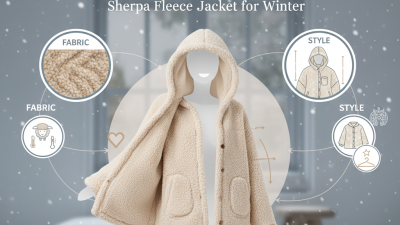
Sherpa zip-up jackets are outerwear pieces made with a deep, wool-like pile fabric. The surface feels soft and warm, while the full-length zipper supports quick layering. Many styles use polyester sherpa, nylon trims, ribbed cuffs, and reinforced pocket openings. Some versions combine sherpa with smooth woven panels for better wind resistance.
Material selection matters for wholesale buyers. Textile Exchange’s Materials Market Report 2024 states that polyester represented about 59% of global fiber production in 2023. This explains its common use in sherpa jackets, but recycled content still requires supplier verification. Ask for fiber certificates, fabric weight, shrinkage results, and colorfastness records. A sample may feel excellent, yet fail after repeated washing.
Wholesale uses include staff uniforms, outdoor retail collections, travel merchandise, and seasonal promotional apparel. McKinsey’s State of Fashion 2025 projects only 2–4% global fashion growth, making practical products valuable for controlled inventory planning. Buyers should compare 280–400 GSM fabric, zipper quality, seam strength, and size grading. Smaller orders may need fewer colors. That can simplify forecasting. However, sherpa can shed fibers during early wear, especially when finishing is weak. This detail deserves testing, not optimistic assumptions. Clear care labels and consistent measurements also reduce avoidable returns.
Key Materials, Insulation Levels, and Construction Details
For wholesale buyers, sherpa jackets should be judged by fiber content, pile structure, and intended climate.
Textile Exchange’s 2024 Materials Market Report states that polyester represented about 57% of global fiber production in 2023. This explains its popularity in sherpa fleece: it dries quickly, resists abrasion, and supports consistent bulk production. Recycled polyester can improve material positioning, but buyers should request certification and transaction records. Claims alone are weak evidence.
Insulation level needs a closer look.
A 280–350 gsm sherpa fabric feels substantial, yet fabric weight is not the same as thermal performance. Unlined styles suit mild weather and indoor work. Bonded fleece adds wind resistance. Quilted jackets with approximately 60–120 gsm synthetic fill offer greater warmth, depending on loft and shell fabric. There is no universal warmth scale. That makes sample testing essential. Check comfort at the cuffs, collar, and zipper area, where cold air often enters.
Construction details affect returns more than catalog photos suggest.
Examine pile recovery after compression, backing stability, zipper alignment, and seam strength. ASTM D737 air-permeability testing can help compare shell fabrics, while laundering trials reveal shedding, matting, and shrinkage. A 100% polyester design is not automatically better; that shortcut sometimes fails in humid conditions. Request three wash cycles, size measurements, and colorfastness results before placing a large order. Small defects become expensive at volume.
Sizing, Customization, and Quality Checks for Bulk Orders
7 Best Sherpa Zip Up Jackets for Wholesale Buyers
Sizing and customization decide whether a bulk order sells smoothly or creates expensive returns. Measure chest, sleeve length, body length, and hem circumference on a physical sample. Do not rely only on generic S–3XL charts. A size chart can still fail. Allow about 1–2 cm tolerance, then confirm grading across every size. For oversized jackets, test shoulder drop and sleeve stacking with a real fit model. Sherpa fabric adds volume, so the outer measurements may feel tighter than expected.
Customization needs technical control. Confirm pile height, fabric weight, zipper length, pocket placement, embroidery area, and label dimensions before production. Request a pre-production sample and a sealed color standard. The Textile Exchange Materials Market Report 2024 reported 124 million tonnes of global fiber production in 2023, with polyester representing about 57%. This matters because polyester sherpa can vary in softness, density, and shedding between suppliers. Ask for fiber composition and fabric-weight records, not verbal promises.
Quality checks should cover appearance and performance. Inspect random cartons for uneven pile, open seams, broken zipper teeth, loose threads, and shade variation. Test shrinkage after washing, color transfer, pilling, and seam strength. ASTM and AATCC methods can support these checks, but laboratory results never replace hands-on inspection. I have seen attractive samples fail after one wash. That is the uncomfortable part. Keep inspection photos, measurement sheets, and signed approvals for every color and size. Textile Exchange’s data also shows why material traceability deserves attention, even when buyers focus mainly on price.
Pricing, Supplier Selection, and Wholesale Buying Considerations
7 Best Sherpa Zip Up Jackets for Wholesale Buyers
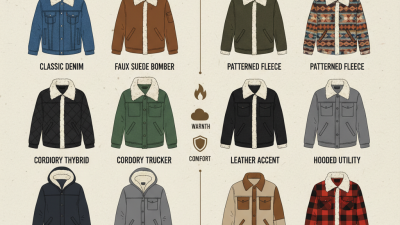
Wholesale buyers should compare seven practical styles: full-zip, hooded, stand-collar, color-blocked, reversible, oversized, and lightweight sherpa jackets. Full-zip designs usually suit broad retail demand. Hooded versions feel warmer but may increase packing volume. Reversible jackets offer stronger display value, although their stitching must be checked carefully.
Pricing depends on fabric weight, lining, zipper quality, order quantity, and customization. Ask suppliers for tiered prices at 50, 100, and 500 units. Request a physical sample before confirming production. Check seam strength, zipper movement, shedding, and measurement accuracy. A low quote can hide weak packaging or inconsistent sizing. That mistake becomes expensive.
Tips: Compare landed cost, not unit price. Confirm lead times in writing. Ask whether replacement units cover defects. Review factory photos, testing records, and recent buyer feedback. A supplier should explain fabric composition clearly. Do not rely on polished sample images alone. In my view, color consistency deserves more attention; it is often overlooked during bulk approval. Also inspect cartons for moisture protection, especially during long-distance shipping.
7 Best Sherpa Zip-Up Jackets for Wholesale Buyers
Indicative wholesale benchmarks for comparing anonymous sherpa jacket configurations by expected unit cost. Actual prices vary by fabric weight, customization, order quantity, and shipping terms.
For supplier selection, compare fabric composition, fleece weight, zipper quality, size range, sample approval, minimum order quantity, production lead time, and quality-control terms alongside the quoted price.