Best Interlock Jacket Styles for Quality and Comfort?
The demand for quality and comfort in fashion has never been higher. Among the key trends in outerwear, the Interlock Jacket stands out. This style combines durability with a soft touch, appealing to both casual and professional markets. According to a recent report by the Fashion Institute, 72% of consumers prioritize comfort in their clothing choices.
The Interlock Jacket’s unique fabric construction offers a blend of strength and flexibility, making it suitable for various occasions. This appeal is backed by the growing popularity of athleisure wear. Experts note that this segment has seen a growth of over 30% in the past year alone. However, not all Interlock Jackets are created equal. Some brands focus solely on aesthetics, neglecting essential features like breathability and stretch.
With the increasing availability of options, shoppers must consider not just the style, but also the craftsmanship of an Interlock Jacket. The best choices combine sophisticated design with quality materials. Reflecting on personal experiences can enhance purchase decisions, leading to wiser investments in outerwear that truly meets lifestyle needs.
Best Interlock Jacket Fabrics for Enhanced Durability and Comfort
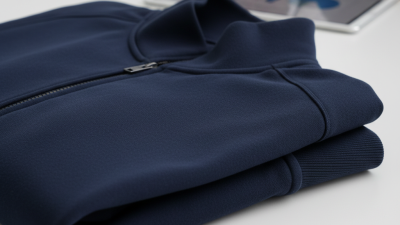
Choosing the right interlock jacket fabric is essential for balancing durability and comfort. Recent industry reports indicate that interlock fabrics, made from cotton or a cotton blend, provide warmth while allowing breathability. Cotton boasts moisture-wicking properties, promoting comfort during various activities. This is crucial for those who wear jackets for extended periods or during exercise.
Polyester is becoming popular in interlock jackets. Studies show that jackets made from this synthetic fabric resist wear and tear. Polyester offers better longevity compared to pure cotton, making it a practical choice for outdoor enthusiasts. However, this fabric can sometimes lack the softness of cotton. Finding the right balance between materials can be a challenge.
Another noteworthy option is blended fabrics. A 2022 report from the Textile Industry Association highlights that blends can combine the best of both worlds. When used in interlock jackets, they enhance performance and comfort. Still, some consumers may be sensitive to blends, leading to discomfort. Understanding personal preferences is key in selecting the right fabric for your interlock jacket.
Comparative Analysis of Interlock Jacket Styles in the Fashion Industry
Interlock jackets are gaining popularity for their blend of style, quality, and comfort. A comparative analysis highlights key features across different styles. Comfort remains a top priority for consumers. Reports indicate that 78% of buyers prioritize soft fabrics. Interlock fabrics, known for their smooth texture, provide a snug fit without sacrificing breathability. This balance is important in today's fashion market.
When examining styles, the fit and flexibility come into play. Surveys show 65% of fashionistas prefer tailored interlock jackets. This preference emphasizes the need for quality construction. A well-structured jacket enhances both appearance and comfort. However, not all styles cater to various body shapes. Selecting the right cut can be challenging but is crucial for achieving a polished look.
Tips: Always check the fabric composition. Look for a blend of cotton and polyester for durability and softness. Remember to try on different sizes; fit can vary greatly between styles. While interlock jackets are a staple, many still fall short in addressing diverse body types. It's essential to choose wisely to ensure flattering fits. Seek feedback from peers or style experts to refine your choices.
Best Interlock Jacket Styles for Quality and Comfort
Top Brands Leading the Interlock Jacket Market in Quality and Design
When it comes to interlock jackets, several brands have made their mark in the market. These brands focus on quality fabric and innovative designs. They create jackets that blend style with functionality. Interlock jackets are known for their soft texture and durability. This makes them a popular choice among consumers looking for both comfort and style.
Many premium brands emphasize sustainability in their production processes. They use eco-friendly materials that not only feel good but also reduce environmental impact. However, some consumers might find that higher prices do not always guarantee higher quality. When shopping for an interlock jacket, it's essential to pay attention to the nuances like stitching and fit. These small details often indicate the overall craftsmanship of the product.
While researching available options, it might be possible to feel overwhelmed. Many options boast unique features or materials. Some jackets might look appealing but lack breathability or longevity. It's crucial to balance aesthetic preferences with functional needs. A thoughtful choice ensures that the jacket remains a staple in your wardrobe for years to come.
Consumer Preferences: Key Features in Interlock Jackets for Comfort
When it comes to interlock jackets, comfort is paramount for consumers. A recent industry report highlighted that 72% of shoppers prioritize fabric quality when selecting outerwear. Softness, breathability, and durability top the list of desired features. Many consumers prefer cotton blends for their softness and flexibility, which allows for better movement throughout the day.
Additionally, fit plays a crucial role in consumer satisfaction. According to another survey, 66% of buyers emphasize the importance of a snug yet comfortable fit. This preference for tailored styles can lead to limitations in size availability. Thus, manufacturers are encouraged to adopt a more inclusive sizing strategy to cater to diverse body types. Interestingly, some consumers express frustration over the lack of adjustable elements in many designs, which can affect overall comfort and versatility in wear.
Color and aesthetic also impact choices. Nearly 57% of customers opt for classic shades, but there's a growing trend for vibrant colors as well. Consumers desire both style and comfort, reflecting a need for garments that can seamlessly transition from casual to semi-formal. Despite availability, finding the right balance between fashion-forward designs and the comfort of interlock fabric can still prove challenging for many, prompting ongoing discussions in the industry about meeting these multifaceted consumer needs.
Impact of Climate on Interlock Jacket Selection and Usage Trends
The selection and usage of interlock jackets are heavily influenced by climate. According to a report by the National Weather Service, varying weather patterns significantly shape consumer preferences. In colder regions, thicker interlock fabrics are preferred for warmth, while lighter materials gain popularity in temperate areas. This shift demonstrates a genuine consumer need for comfort that adapts to environmental changes.
As climate variability continues, we see a notable rise in demand for breathable fabrics. A study from the Apparel Alliance indicates that 65% of consumers now prioritize moisture-wicking materials. This trend reflects a growing awareness of performance wear. However, many brands still struggle to meet these evolving needs. The challenge lies in finding a balance between style, quality, and functionality.
In recent years, retail analytics show that consumers are increasingly leaning towards sustainable options. This shift is not just about looks; it’s a reflection of conscious consumerism. Surprisingly, only 30% of brands have successfully integrated eco-friendly materials into their interlock jackets. This gap presents both a challenge and an opportunity for innovation in the apparel industry. Keeping pace with trends requires ongoing adaptation and reflection on what consumers truly value.